Pluto was discovered in 1930 and was considered the 9th planet of the solar system. However, in 2006 it was classified as a dwarf planet.
Author: Sundarram
Planet Mercury
Mercury, the closest planet to the Sun, is the smallest planet in our solar system. It is only slightly larger than our Earth’s moon.
Solar System
The Solar system consists of the Sun, eight planets, their moons, and other objects like dwarf planets, comets, asteroids, and Kuiper belt..
Understanding the Physics behind Double Rainbow
Learn the physics behind double rainbow, understand primary and secondary, and the dark band between the primary and the secondary.
Understanding the Physics Behind Rainbows: A Complete Explanation
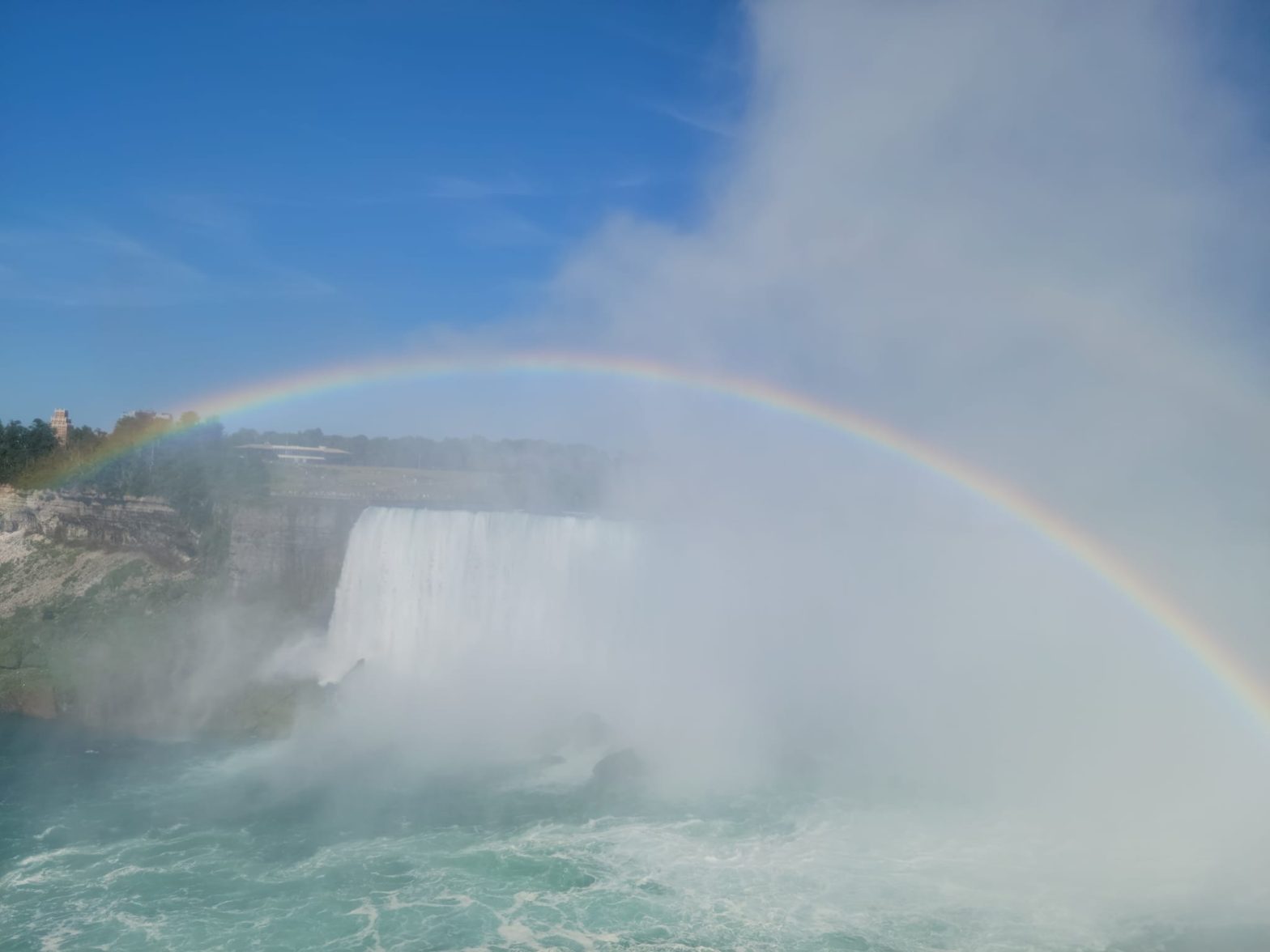
Learn the physics behind rainbow, understand primary and secondary, and the significance of dark band between primary and secondary bows?
Tidal Locking: Why Does the Moon Always Show the Same Side to Earth?
Why does our Moon show only one side of it to Earth bound observers? What are synchronous rotation and tidal locking? Get answers here.
Crescent Moon Shapes: Waxing vs Waning, Northern vs Southern Hemisphere
Is the shape of the crescent Moon like a ‘C’ or inverted ‘C’? What factors determine the shape? Get answers to these questions and many more.
Understanding Rayleigh Scattering and Blue Sky Phenomenon
What makes the sky so blue? It is due to a phenomenon called Rayleigh scattering. Learn Rayleigh scattering and much more on the blue sky.
Galileo Galilei
Galileo Galilei, the founder of scientific method, was an Italian astronomer. He made fundamental contributions to the science of motion.
Einstein
Albert Einstein, a creative genius, and the most celebrated theoretical physicists in the world, was born in Ulm, Germany in 1879.